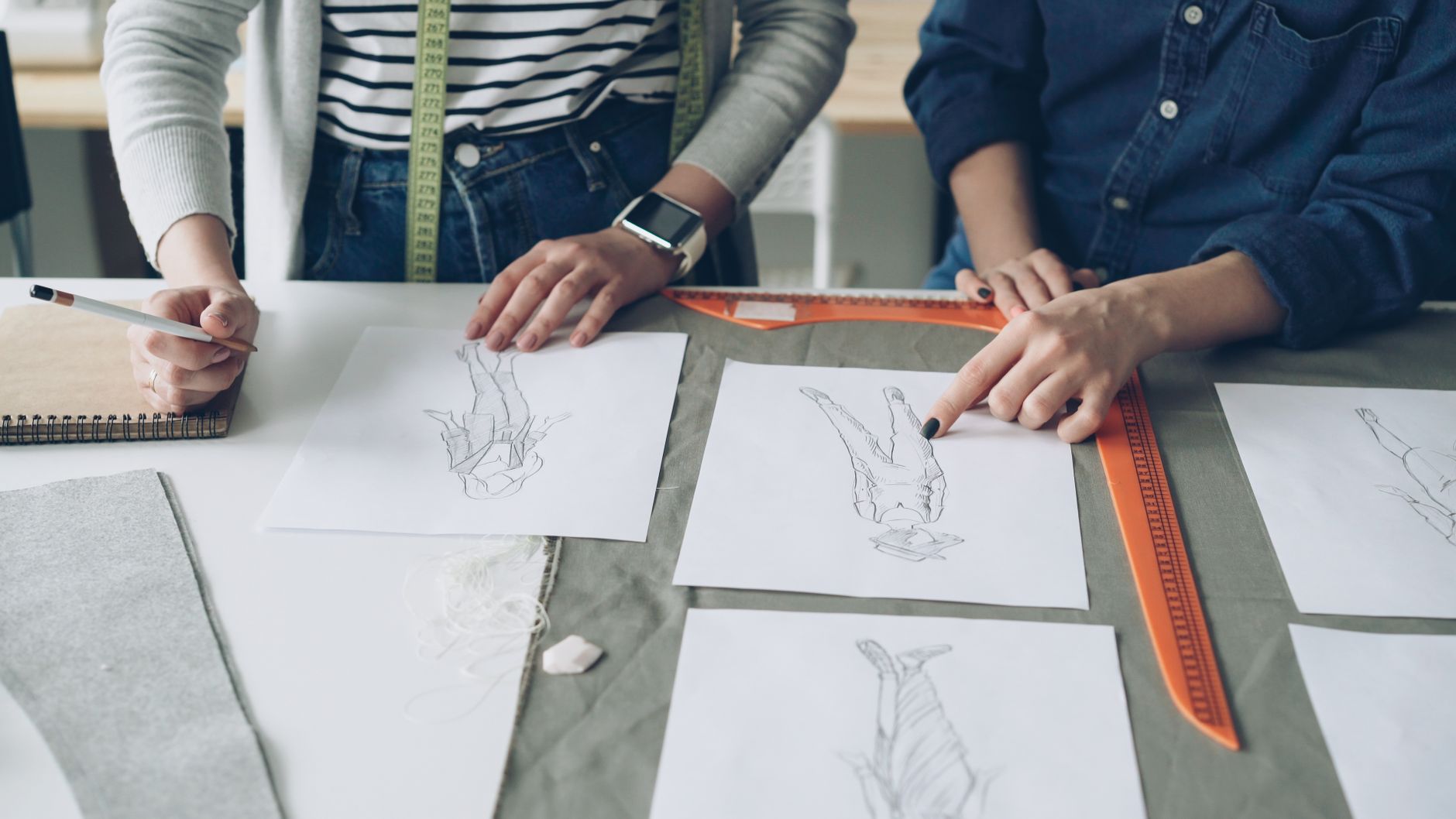
Most people who land fashion design internships are shocked by one thing: how little the experience matches what school prepared them for. The glamour shows up in glimpses, sure, but the actual days are long, often unpaid, and surprisingly political. Knowing that going in changes everything.
From what I’ve seen working with students and early-career designers, the gap between expectation and reality is widest in the first two weeks. You’re not sketching in a sunlit studio. You’re steaming samples, chasing fabric swatches, learning the internal language of a design house as fast as you can. That’s genuinely how skills get built.
So here’s a practical breakdown: what these internships actually pay (or don’t), how long they run, and whether they lead anywhere real.
Unpaid vs. Paid Internships
A large majority of fashion internships are unpaid, which is a higher share than almost any other creative industry I’m aware of. Paid positions do exist, usually at larger brands or companies with formal HR structures, and they tend to run $13 to $18 per hour in major cities. The unpaid ones cluster at smaller labels, editorial houses, and independent ateliers.
Legally, unpaid internships in the US must meet specific criteria under the Fair Labor Standards Act. The work should primarily benefit the intern, not the company. In practice, enforcement is loose. If you’re doing production work that would otherwise require a paid employee, that’s a gray area worth understanding before you sign anything.
Duration and Commitment
Most fashion design internships run three to six months. Summer positions are typically ten to twelve weeks, while semester-based ones stretch closer to sixteen. A small number of companies offer year-long placements, usually tied to structured graduate programs at brands like LVMH or Kering.
Hours are rarely light. Forty hours a week is the baseline, and during market weeks or pre-collection crunches, fifty to sixty is common. If a posting mentions show prep or production support but calls the role “part-time,” read that skeptically. I’d always ask directly what a typical week looked like in the last cycle.
Job Opportunities from Internships
Roughly half of fashion interns end up in full-time roles within a year of finishing, either at the same company or somewhere a contact referred them. That figure comes from informal industry surveys, so treat it as directional rather than precise. But it tracks with what I’ve observed, especially at mid-size brands that can’t afford to constantly retrain new hires.
Entry-level design roles pay around $48,000 annually in the US, though New York salaries run higher and regional markets lower. Getting there faster is almost always linked to relevant internship experience on your CV, not just a degree.
Top Companies Offering Internships
The names people chase most are Vogue (editorial and creative), Chanel, Marc Jacobs, and various LVMH houses. These are genuinely competitive. Chanel’s Paris atelier internship reportedly receives hundreds of applications per opening, and Condé Nast has formal application windows that usually open in January for summer placements.
Worth considering alongside the big names: companies like Eileen Fisher, Reformation, and Mara Hoffman run smaller programs with more hands-on design involvement. You’ll touch more of the process at a forty-person brand than at a four-thousand-person one, and that breadth shows up later in interviews.
Navigating the Internship Search
The best postings don’t always live on general job boards. CFDA’s job board, fashionista.com’s career section, and StyleCareers.com are more targeted. LinkedIn works, but the fashion-specific boards surface openings earlier and with more useful detail about what the role actually involves.
- Set alerts on at least two niche job boards
- Email design assistants directly, not HR departments
- Apply three to four months before your intended start date
- Have a portfolio link that loads fast — broken links kill applications immediately
Cold outreach gets a bad reputation, but a short, specific email to a design assistant explaining what you noticed about their recent collection converts better than most people expect. Keep it under 100 words and don’t pitch yourself as a fan.
Maximizing Your Internship
Show up knowing the brand’s last three seasons. It sounds obvious, but plenty of interns arrive without that context and spend the first two weeks quietly catching up. Spend the first week mostly listening and ask questions about process, not advancement.
One thing I’d do differently if I were starting over: keep a weekly log of what you worked on and what you learned. After six months, memory compresses everything into a blur. That log becomes the raw material for portfolio updates, interview stories, and performance reviews if the company offers them.
Resources Worth Knowing
Fashion design internships have a decent support ecosystem if you know where to look. The CFDA offers mentorship connections for emerging designers, and Intern Aware (a UK-based advocacy group) publishes clear guides on intern rights and contracts that are useful even if you’re US-based. For portfolio hosting, Behance and a simple personal site both work. I’d avoid platforms that put your work behind a login.
Budget honestly for the internship itself. If it’s unpaid and in New York, assume $2,000 to $3,000 per month for rent, transit, and food. That math matters before you accept, not after.
FAQs
What are the best places to find fashion internships?
CFDA’s job board, StyleCareers.com, and fashionista.com’s career section post more targeted listings than general boards. Direct outreach to design assistants on LinkedIn also works.
How do I make my internship stand out?
Keep a weekly work log, know the brand’s recent collections before day one, and ask process questions rather than career-ladder ones.
Are fashion internships worth it?
Usually yes, given that roughly half of interns land full-time roles within a year. The unpaid ones sting financially but often deliver more access than paid roles at larger companies.

1 Comments