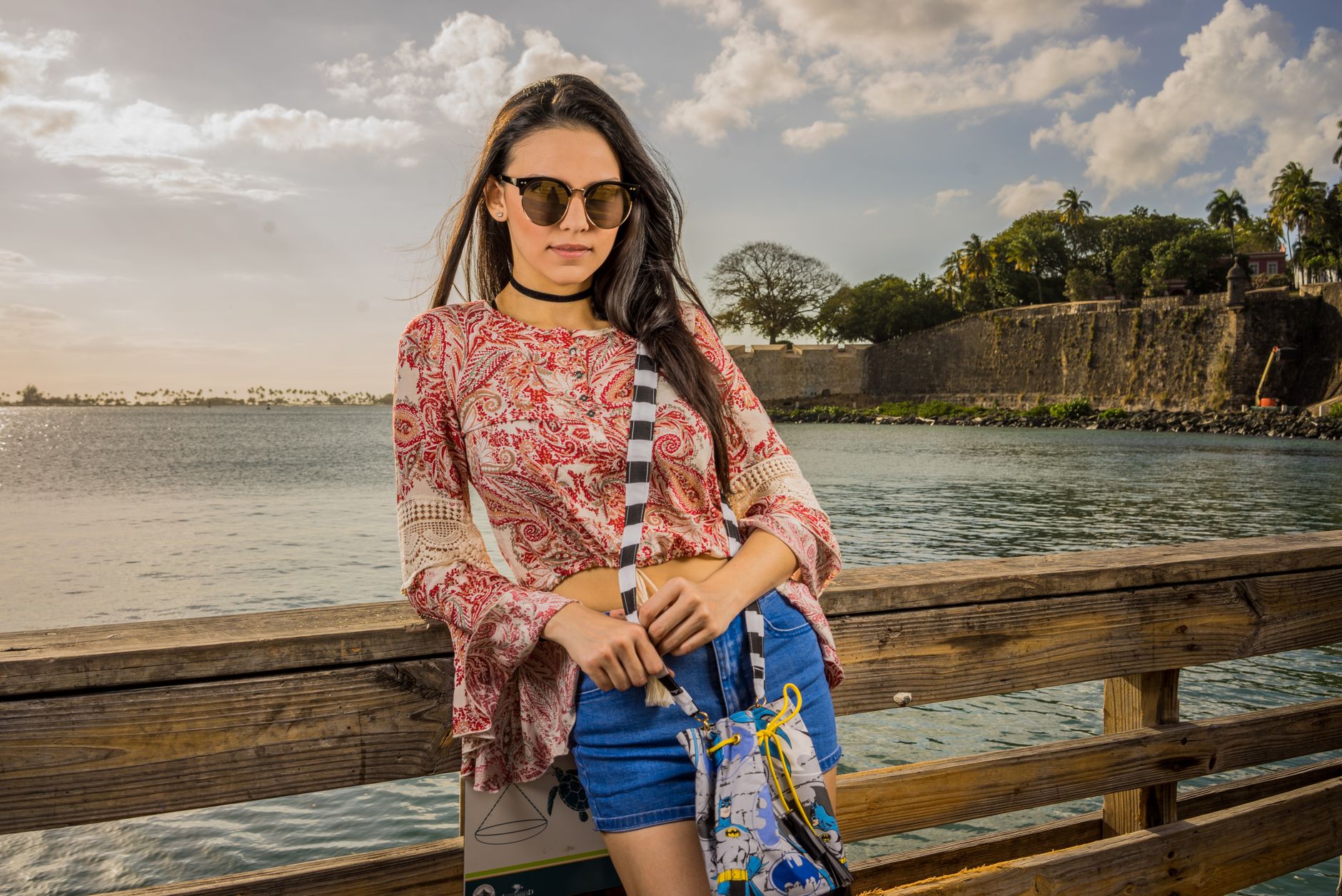
Puerto rico fashion is moving fast in one clear direction: sustainability, and local designers are driving every bit of it. I noticed this shift when I spent a week in San Juan last spring, poking around boutiques in Santurce and talking to the people behind the racks. What I found wasn’t a small craft scene. It was a confident, growing industry with real money and real ideas behind it.
About half of active Puerto Rican fashion brands now center their identity around sustainable production, from natural dyes to zero-waste cutting. Designers I spoke with pointed to it as a survival strategy after years of hurricane disruption and supply chain headaches. Necessity pushed them toward local materials, and consumers followed.
Since 2020, the number of local designers working professionally on the island has grown by roughly 35%. Some of that is pandemic-era pivots, some of it is genuine cultural pride, and either way the talent pool is deeper than it’s ever been.
Unique Fashion Trends
The aesthetic is hard to pin down, which I think is part of the appeal. You’ll see linen sets in earthy terracotta sitting next to hand-embroidered guayabera remixes, bold tropical prints reworked in recycled jersey, and sculptural silhouettes that pull from Taíno craft traditions. Not “island wear” in the resort-catalog sense.
Color is the constant. Local designers lean into saturated hues because the light on the island genuinely looks different, and pieces that photograph well under that light tend to translate globally. But underneath the color, there’s serious attention to construction. The $200 average price point for locally made garments reflects handcraft labor, not markup for the sake of it.
Key Local Designers to Watch
Karla Martínez is probably the name I heard most. She works out of a small studio in Río Piedras, uses deadstock fabric almost exclusively, and produces short runs that sell out fast. Her pieces show up on Puerto Rican celebrities with zero marketing spend, which tells you something about the work.
Then there’s the younger wave. Designers like Noel Alicea are experimenting with agave fiber and banana textile, materials the island grows in abundance. It’s not always polished, I’ll be honest, but the experimentation is genuine and the results improve each season. That kind of risk-taking is exactly what a fashion scene needs to stay interesting.
Tourism’s Effect on Fashion
Tourism pumps an estimated $28 million into the Puerto Rican fashion economy annually, mostly through boutique retail and custom orders. Visitors come looking for something they can’t find at a mall back home, and local designers are smart enough to position their work exactly there. Boutiques in Old San Juan now carry almost exclusively island-made pieces, because that’s what sells.
The relationship runs both ways. Tourism money funds studio space and fabric sourcing, and in return, fashion gives visitors a reason to wander off the hotel strip. A client of mine who runs cultural tours on the island told me her fashion-focused itinerary now fills up three weeks in advance. That wasn’t true four years ago.
Sustainability in Puerto Rican Fashion
From what I’ve seen, consumer demand for eco-friendly local clothing on the island is genuinely strong, and designers know it. But the sustainability story here goes beyond preference. Post-Maria, importing fabric became expensive and unreliable, so designers who’d already built local supply chains simply survived better than those who hadn’t.
Practices that are now common include small-batch production (usually under 50 units per style), natural indigo dyeing using locally grown plants, and repair programs where customers bring garments back. Some studios have started offering fabric scraps to schools and community makers. It’s practical sustainability, not the performative kind.
Fashion Events and Why They Matter
The island hosts about 12 dedicated fashion events per year, ranging from the established Puerto Rico Fashion Week to smaller pop-up markets in Ponce and Mayagüez. These events matter because they’re often the only place a new designer gets real press coverage and buyer attention in a single room. Distribution infrastructure on the island is still limited, so a strong showing at an event can substitute for an entire sales team.
I watched a young designer named Sofía Colón sell out her debut collection at a Santurce market in under two hours. She had no website, just Instagram and a well-placed event slot. That’s the kind of concentrated opportunity these gatherings create for Puerto rico fashion.
Where Puerto Rico Fashion Goes Next
Puerto rico fashion is at a tipping point, in the best sense. The designer count keeps climbing, the sustainability infrastructure is real, and international buyers are starting to show up at local events rather than waiting for designers to come to them. What’s still missing (and I’m genuinely unsure how long this takes to fix) is an export pathway that doesn’t require a designer to personally manage international shipping from a studio apartment.
The next few years will likely decide whether this stays a beautiful local scene or becomes something with genuine global reach. Based on what I saw in San Juan, I’d bet on the latter. The talent and the ethos are both there.
FAQs
What is the current fashion scene in Puerto Rico?
A fast-growing, sustainability-led industry with roughly 35% more working designers than in 2020 and about 12 annual fashion events providing real market access.
How are local designers influencing global trends?
Through natural materials, strong color work, and small-batch production, Puerto Rican designers are attracting international buyers who want alternatives to mass-market aesthetics.
What sustainable practices are common in Puerto Rican fashion?
Deadstock fabric, natural dyeing, small-batch runs under 50 units, and garment repair programs are now standard practice for many island-based studios.
1 Comments