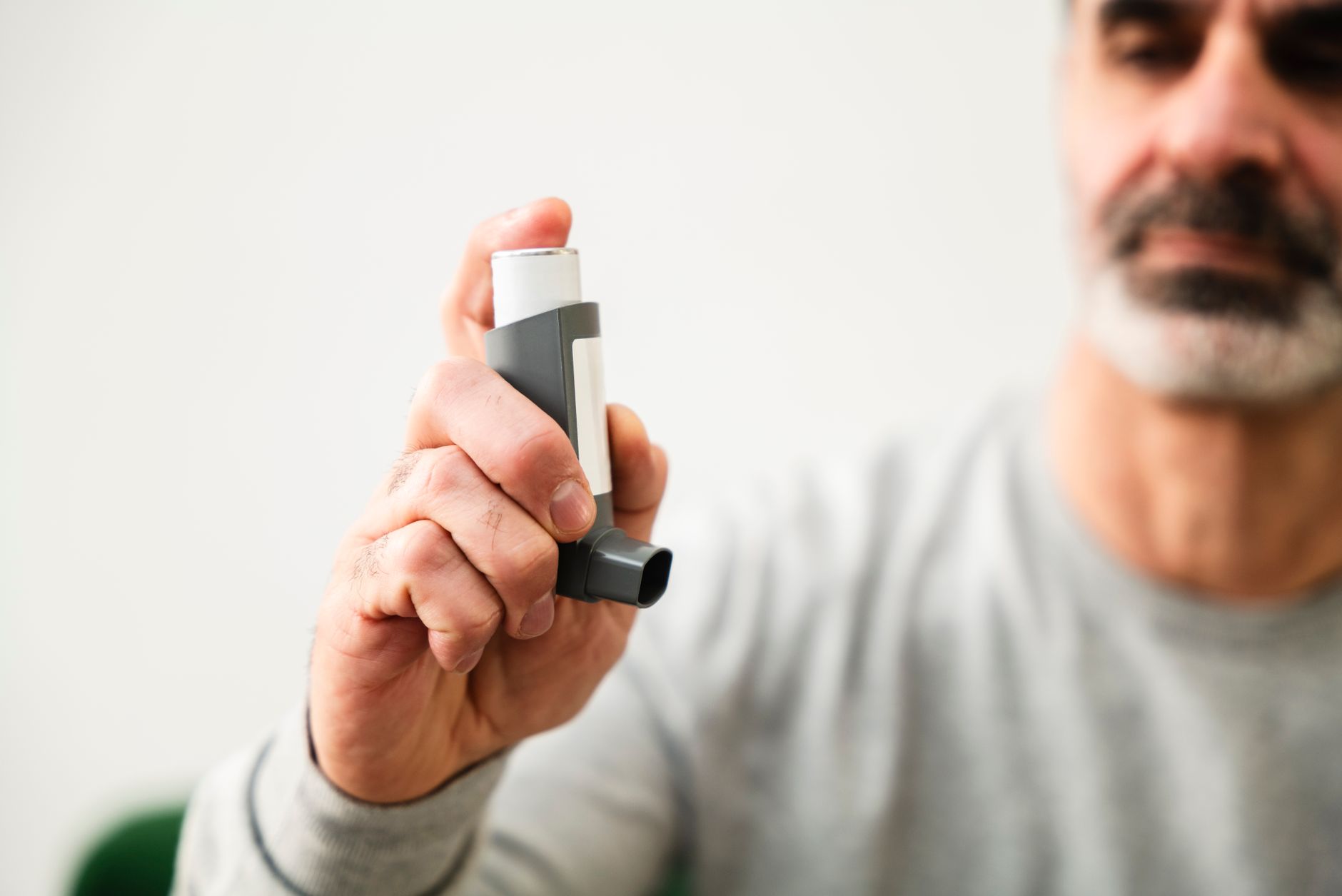
Asthma impacts millions of lives, and here’s a surprising fact: indoor air can be 2 to 5 times more polluted than outdoor air. This highlights why lifestyle changes for asthma management are crucial. While these steps won’t cure asthma, they can help reduce reliance on rescue inhalers in just a few weeks. Let’s explore some practical changes that can lead to a healthier environment and improve your overall well-being.
Indoor Air Quality and Symptoms
Indoor air quality is key for asthma sufferers. Common allergens like dust mites, pet dander, mold, and smoke can worsen symptoms. Many folks aren’t aware that indoor air can be two to five times more polluted than outdoor air. One solution is to invest in a High-Efficiency Particulate Air (HEPA) filter. These filters capture 99.97% of particles 0.3 microns or larger. Using HEPA filters in your bedroom can really help cut down on allergens and asthma attacks.
Humidity control is equally important. Asthma sufferers should keep indoor humidity between 30% and 50%. This helps limit dust mites and mold, which are known triggers. A dehumidifier or humidifier can be a smart investment during problematic seasons. Regularly cleaning your HVAC systems can also boost air quality and lower the chances of triggering symptoms.
Diet and Weight Impact
Your diet and weight can greatly influence asthma severity. In my experience, obesity can increase the severity of asthma by as much as 50%. Extra pounds can restrict lung capacity, making asthma harder to manage. That’s why focusing on a balanced diet can be a real game changer. A 2021 study linked the Mediterranean diet to 30% fewer asthma symptoms. This diet emphasizes fruits, veggies, whole grains, and healthy fats, which can help reduce inflammation.
If weight is a struggle for you, think about making gradual changes. Set realistic goals, like adding more fruits and veggies to meals or cutting back on sugary snacks. Little adjustments can really add up. Even a modest weight loss of 5-10% can improve symptoms and enhance lung function.
Exercise and Sleep Importance
Exercise can be tricky for those with asthma. Roughly 90% of asthma patients experience exercise-induced bronchoconstriction, yet regular physical activity can strengthen your lungs. It’s all about finding the right balance. Low to moderate activities, like walking or swimming, may be beneficial while helping you still manage your symptoms.
Sleep isn’t just about feeling rested; it’s crucial for stabilizing asthma too. Poor sleep can heighten anxiety and inflammation. Simple things, like keeping a regular sleep schedule and making sure your sleep environment is comfortable, can make a difference.
Smoking exposure is a significant factor. It can double the frequency of asthma attacks. If you smoke, quitting is your best shot, and steering clear of secondhand smoke is equally important. If you find yourself around smokers, don’t hesitate to speak up about your needs. Many support systems and programs can help if you’re looking to quit.
Lifestyle changes for asthma can dramatically improve quality of life. By prioritizing air quality, diet, exercise, and avoiding smoking, you can help manage symptoms and maybe decrease your need for medication.
FAQs
Can lifestyle changes replace asthma medication?
Lifestyle changes for asthma can improve symptoms, but they usually shouldn’t replace your prescribed medications. Always discuss any changes with your healthcare provider regarding your management plan.
What foods make asthma worse?
Processed foods, dairy, and high-sugar items may worsen asthma. Keeping a food diary can help identify personal triggers for better symptom management.
Does exercise help or worsen asthma?
Exercise can strengthen your lungs but might worsen symptoms for some. Opt for low to moderate activities to reduce triggers, and always consult your doctor first.