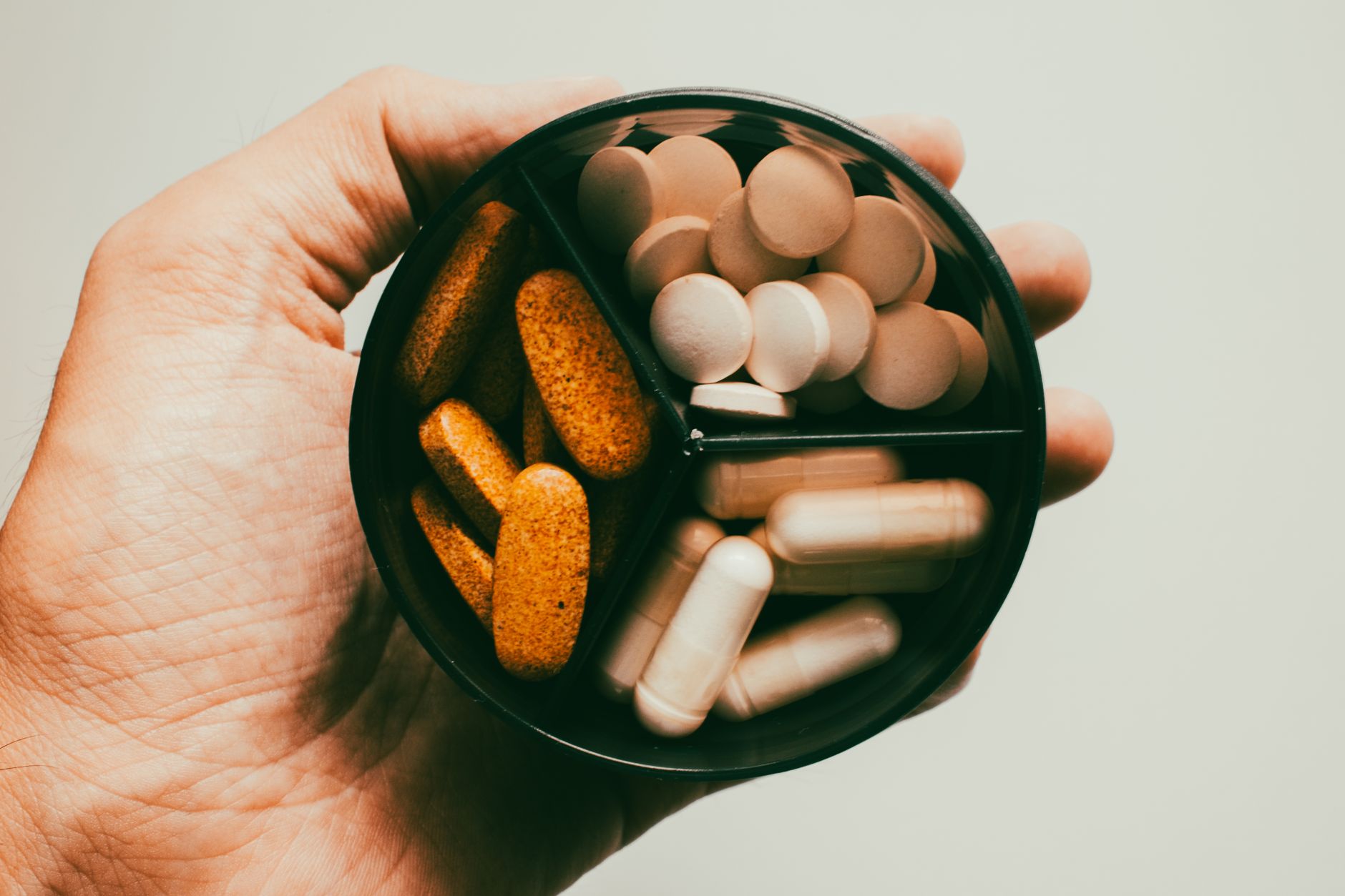
The best gut health supplement for men isn’t automatically a probiotic, and that assumption costs a lot of guys real money. Most men buy a probiotic, take it for two weeks, feel nothing, and quit. The problem is usually strain mismatch, not the concept itself. Men face specific digestive pressures: higher average meat intake, more alcohol use, and stress patterns that hammer cortisol hard, and a generic probiotic from a pharmacy shelf rarely accounts for any of that.
From what I’ve seen, a surprising number of men ignore gut health entirely until something forces the issue, usually bloating bad enough to wreck sleep or energy that tanks for no clear reason. Sorting out digestion can noticeably shift how you feel day-to-day. Better nutrient absorption alone tends to move the needle on energy more than most guys expect.
So let’s actually compare what’s out there, because these options are not interchangeable.
Unique Gut Health Challenges for Men
Men’s digestive systems handle a different load on average. Higher protein diets slow transit time, testosterone influences gut motility, and most men eat far fewer fermented foods than they should. These factors stack, which is why a broad-spectrum digestive enzyme blend often outperforms a basic probiotic for guys who eat a lot of meat and dairy.
Stress is the other piece. Chronic stress wrecks the gut lining over time, and men tend to under-report GI symptoms until they’re pretty significant. A supplement that only adds bacteria without supporting the mucosal lining is addressing half the problem, at best.
Top 5 Supplements for Men’s Gut Health
These are the categories worth comparing, roughly in order of how broadly useful they are:
- Multi-strain probiotics (look for Lactobacillus rhamnosus and Bifidobacterium longum specifically)
- Digestive enzyme blends with protease and lipase
- Prebiotic fiber supplements like psyllium husk or inulin
- L-glutamine powder for gut lining repair
- Collagen peptides, which support intestinal wall integrity
Budget around $35 to $50 per month for a quality single product, with most landing near $40. Stacking two or three of these pushes costs up fast, but starting with just a good enzyme blend or a targeted probiotic is smarter than buying everything at once.
Probiotics and Their Benefits
Strain selection matters more than colony count. A product with 50 billion CFUs of a poorly matched strain will do less than one with 10 billion of Lactobacillus rhamnosus GG, which has solid research behind it for adult digestive support. In clinical trials for well-matched strains, gut symptom relief runs around 70%, which is decent but not guaranteed for everyone.
Timing matters too. Most strains survive better taken with food rather than on an empty stomach. And refrigerated probiotics aren’t always superior to shelf-stable ones; it depends on the specific strain and how the product was manufactured.
How to Choose the Right Supplement
Start with your main symptom. Bloating and gas after meals points toward enzymes. Irregular bowel habits or post-antibiotic recovery points toward a probiotic with Lactobacillus and Bifidobacterium strains. Poor overall digestion paired with low energy suggests a prebiotic plus probiotic combo, sometimes called a synbiotic.
Check for third-party testing. NSF Certified or Informed Sport logos mean the product has been tested for label accuracy. A lot of gut supplements, especially cheaper ones, contain fewer live cultures than advertised by the time you open the bottle.
Real-Life Results and Testimonials
A client of ours switched from a high-CFU generic probiotic to a lower-dose product with targeted strains and noticed a real difference within about three weeks: less bloating after dinner, more consistent afternoon energy. That tracks with what most people report. Changes take four to eight weeks to stabilize, not four days.
The guys who see the least benefit are usually the ones not touching their diet at the same time. A supplement won’t compensate for three processed meals a day. Well, mostly it won’t.
Simple Dietary Changes for Gut Health
Adding fermented foods two or three times a week, plain yogurt, kefir, sauerkraut, does more for bacterial diversity than most supplements. Fiber intake is the bigger gap for most men, because the average guy gets roughly half the recommended daily amount, which starves beneficial bacteria faster than anything else.
Cutting back on alcohol even a little helps the gut lining recover. Eating within a consistent daily window, not necessarily strict intermittent fasting, just not erratic timing, supports motility. Small changes, compound effect.
Making the Final Call on Gut Supplements
The best gut health supplement for men depends on your specific symptoms, your diet, and how consistent you’ll actually be about taking something daily. If I had to pick one starting point, a multi-strain probiotic with at least Lactobacillus rhamnosus GG and a Bifidobacterium species, third-party tested, around $40 a month, is where most men should begin. Add an enzyme blend if you eat high-protein meals regularly. Give it six to eight weeks before judging results, and pair it with more dietary fiber. That combination beats any single miracle product, every time.
FAQs
What are the best probiotics for men?
Strains like Lactobacillus rhamnosus GG and Bifidobacterium longum have the strongest research backing for men’s digestive health and are worth prioritizing over raw CFU counts.
How do gut health supplements work?
They either replenish beneficial bacteria, break down food more efficiently, or repair the gut lining, depending on type. Most take four to eight weeks to show meaningful results.
Can gut health affect mental health?
Yes. Poor gut health is linked to higher anxiety and lower mood, likely through serotonin production, much of which happens in the digestive tract.