In 2004, fashion had a particular charge to it that’s hard to explain now. The Von Dutch trucker hat was selling for $30 to $50, which, for a glorified baseball cap, felt almost offensive. But people paid it. That detail says a lot about where culture was sitting that year: excess was fine, logomania was cool, and celebrity was the closest thing to a religion most of us had. Looking back, 2004 fashion sits right at the edge of a before-and-after moment, just ahead of social media turning every trend into a two-week cycle.
Lindsay Lohan and Paris Hilton were genuinely setting the agenda. What celebrities wore on a Tuesday showed up in mall stores by the weekend. There’s something almost quaint about that now.
The Defining Silhouettes of 2004
Low-rise jeans sat two to four inches below the navel, and they were everywhere. Paired with a cropped top, the look was almost confrontationally midriff-forward, which I think was partly the point. It felt like a deliberate shrug at the baggier, more covered-up shapes of the late ’90s. Whether you loved it or found it absurd, you couldn’t really avoid it.
Juicy Couture velour tracksuits retailed around $165, and somehow that felt reasonable at the time. If you weren’t in a tracksuit, you were probably in denim on denim, a combination people called the “Canadian tuxedo” with genuine affection and mild embarrassment. The look was relaxed on purpose, which was its own kind of statement.
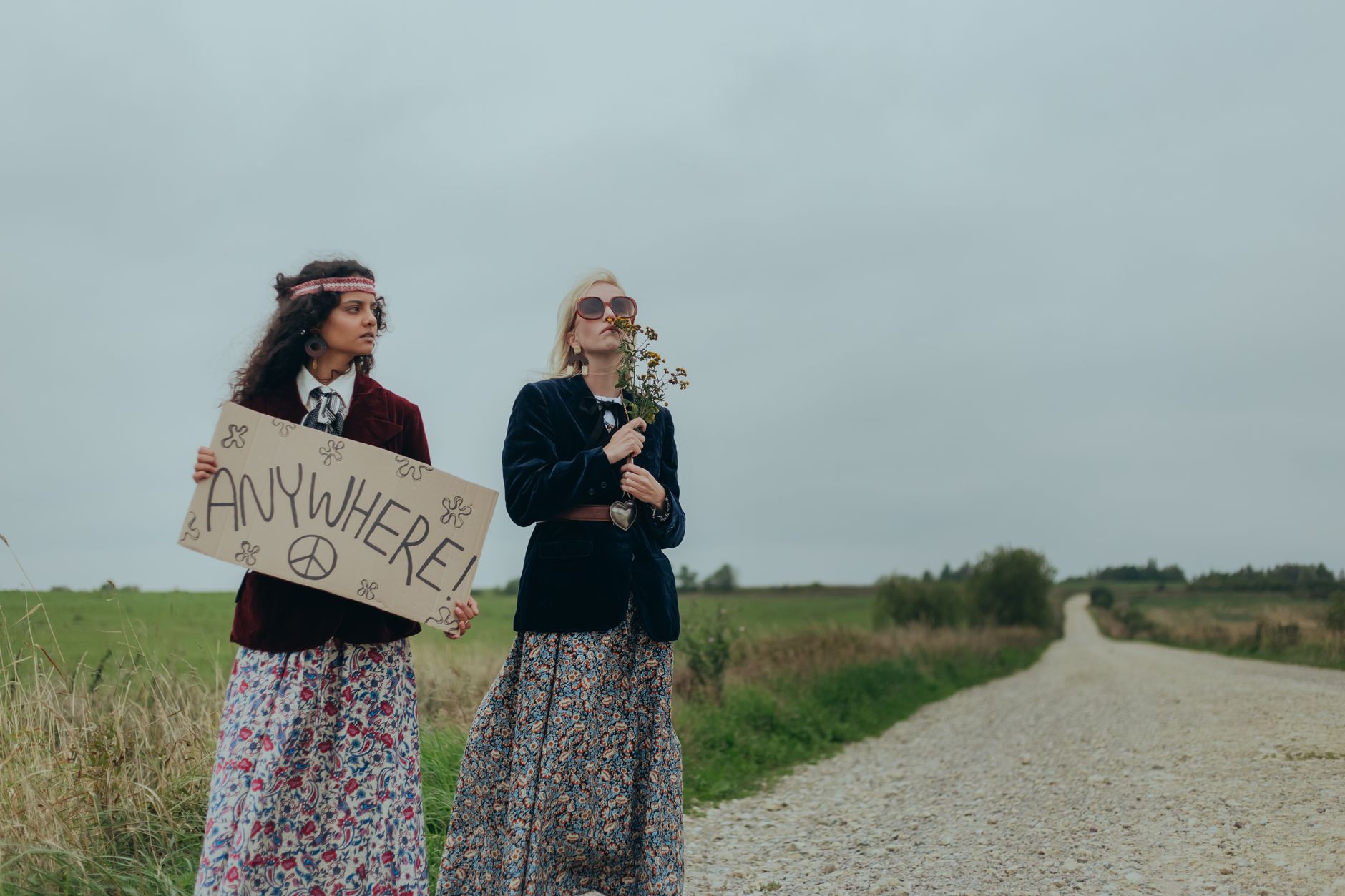
Mean Girls dropped in April 2004 and quietly nudged a chunk of youth fashion toward preppy territory. Plaid skirts, knee-high socks, tailored blazers worn over a fitted tee. It’s one of those films where the costume work aged into actual cultural shorthand, whether or not that was the intention.
Accessories and Brands That Ruled
Von Dutch hats showed up everywhere in 2004 fashion, from grocery runs to red carpets, and wearing one signalled that you were paying attention to the celebrity scene. The logo had this gritty, almost biker-adjacent energy that felt strange on a trucker hat but somehow worked. At $30 to $50, it was the kind of accessible status symbol that felt within reach for most people.
UGG Classic Short boots, around $110 a pair, became the casual uniform for anyone who wanted to look like they’d just rolled off a celebrity’s private jet. Worn with shorts, with flared jeans, sometimes with nothing that made any coherent sense. And yet clients I’ve talked to about that era all remember owning a pair or desperately wanting one.
Abercrombie & Fitch, Hollister, and American Eagle were the dominant forces for younger shoppers. These brands set a pace that others scrambled to follow, and the aesthetic they pushed (logo-heavy, sun-bleached, aspirational in a very suburban American way) filtered through pretty much everything else that year.
Where 2004 Style Stands Today
The low-rise jean is, honestly, trickier to bring back than people expected. Some brands tried it around 2021 and 2022, and the response was split almost generationally. But enough of the Y2K aesthetic has returned that butterfly clips, UGGs, and chunky sneakers are all readable again without irony, especially among people who were too young to wear them the first time.
What I find interesting is that 2004 fashion had room to breathe. A trend could settle in, get worn for a full season, and actually mean something before the next one arrived. Social media hadn’t yet compressed that timeline into something resembling a news cycle. So the styles from that year carry a kind of weight that trends from, say, 2014 don’t quite have.
The “vintage” angle matters here too. Millennials who lived through 2004 fashion as teenagers are now the ones buying it back secondhand, while Gen Z is picking it up as genuinely new territory. Both groups are treating it as something worth revisiting, which I’d argue says more about 2004 than about nostalgia generally.
Why 2004 Still Resonates
That year was probably the last time celebrity culture and everyday fashion were in direct, uncomplicated conversation with each other. Paris Hilton wore something, it landed in a magazine, and six months later it was on a rack at the mall. The feedback loop was slow enough that influence actually had time to become influence. Now things move so fast that nothing really sticks the same way.
I’m not sure I’d want to go back to low-rise jeans myself, but I understand the appeal of revisiting a moment when fashion felt more like a shared cultural experience and less like a content strategy. 2004 fashion had genuine personality. Loud, sometimes ridiculous personality. But personality nonetheless.
FAQs
What were the most popular clothing brands in 2004?
Juicy Couture, Von Dutch, Abercrombie & Fitch, Hollister, and American Eagle dominated, each pulling heavily from celebrity culture to set the tone.
Did low-rise jeans really come back after 2004?
They’ve made a partial return, mostly through Y2K nostalgia, though the reception has been more mixed than the original run.
What shoes were trendy in 2004?
UGG Classic Short boots, flip-flops, and chunky sneakers led the way, with UGGs becoming almost synonymous with the whole era.