Many people still think of technology items as flashy gadgets only enthusiasts care about. That’s a fair assumption on the surface, but it misses something important. These days, the line between “tech gadget” and “household necessity” has basically disappeared, and most of us crossed that line without noticing.
Take my friend Anna. A few years back she was perfectly happy with her flip phone, saw no reason to upgrade. Then she started a job that ran entirely on messaging apps and shared documents, and within a month she’d caved. Now her smartphone is her alarm clock, her fitness tracker, and her contactless payment card. It didn’t replace one thing; it quietly replaced seven. And that’s what modern technology items actually do.
What Counts as a Technology Item
At its core, a technology item extends what you can do, either by automating something tedious or connecting you to something you couldn’t reach before. The global consumer electronics market was valued at around $1.14 trillion in 2023, which sounds abstract until you realise it covers everything from a $12 smart plug to a $2,000 laptop.
Most people assume TVs and microwaves don’t qualify. But a smart TV is streaming a signal it pulled from the internet thirty seconds ago, and plenty of mid-range microwaves now take commands from an app. If it connects to other devices, speeds up a process, or collects data, it qualifies. The average U.S. household runs about 25 connected devices, a number that keeps creeping up as the Internet of Things pulls more appliances into the network. Your fridge can ping you when the milk runs low. Your doorbell sends footage to your phone. None of that felt normal ten years ago.
Most-Used Tech Items Right Now
Here’s a quick look at the technology items showing up in most homes right now.
- Smartphones: Camera, wallet, calendar, communication hub. One device doing the work of several.
- Smart speakers: Over 500 million units installed globally; Amazon Echo and Google Nest handle music, timers, reminders, and shopping lists by voice.
- Wearables: The wearables market is projected to hit $186 billion by 2030. Fitness trackers and smartwatches monitor health data and relay phone notifications to your wrist.
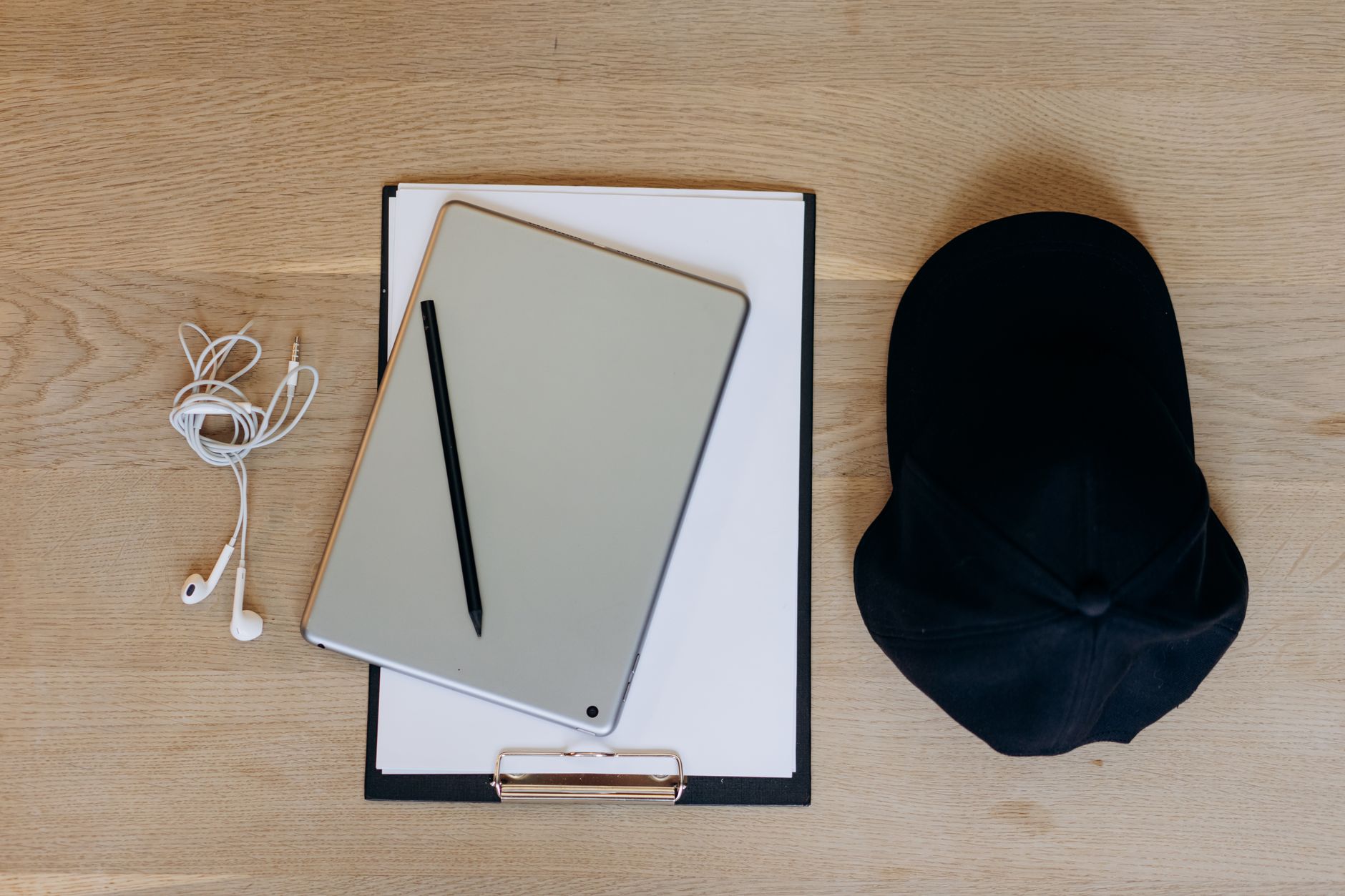
- Laptops and tablets: Remote work normalised these for a generation of people who’d previously only used them occasionally. They’re not going anywhere.
- Smart home devices: Thermostats, bulbs, locks, and sensors that let you manage energy use and security from one app.
Anna, who once couldn’t see the point of any of this, now has a smart thermostat she swears saves her real money on heating. I’m honestly not sure how much it saves (the numbers vary wildly depending on the house), but she’s not wrong that the convenience alone changed how she manages her place.
Choosing and Maintaining Tech Items
When you’re picking technology items, the questions worth asking are: how well does it fit what you already own, how long will it last, and does the company actually support it with updates? Cheaper brands sometimes cut corners on software support, which means a $40 saving upfront can leave you with an unsupported device in eighteen months.
One practical thing to watch: the EU mandated USB-C charging for devices sold after December 2024, which means the charger chaos in most junk drawers should start to ease. Fewer proprietary cables is a genuine quality-of-life improvement. On the battery side, lithium-ion prices have dropped 97% since 1991, so the cost of getting into electric and smart devices is far lower than it used to be.
Maintenance matters more than most people act on. Regular software updates close security gaps. Proper charging habits (not letting a battery drain to zero every night) extend lifespan. And careful handling is obvious but worth saying. A well-kept smartphone can run fine for four or five years; the same phone treated carelessly might need replacing in two.
Where This All Leads
Technology items aren’t a separate category of life anymore. They’re woven into the routines most of us already have, which is exactly why understanding what you own, what it does, and how to keep it running makes a real difference. You don’t need to be an enthusiast. You just need to be a little deliberate about the devices sharing your home.
FAQs
What are common examples of technology items?
Smartphones, laptops, smart speakers, wearables, and connected home devices like smart thermostats and security cameras are the most common.
How long do technology items typically last?
Most technology items last between three and seven years, depending on how well they’re maintained and whether the manufacturer keeps supporting them.
What technology items are worth buying in 2024?
A quality smartphone, a USB-C compatible laptop, and one or two smart home devices are solid starting points for most households.