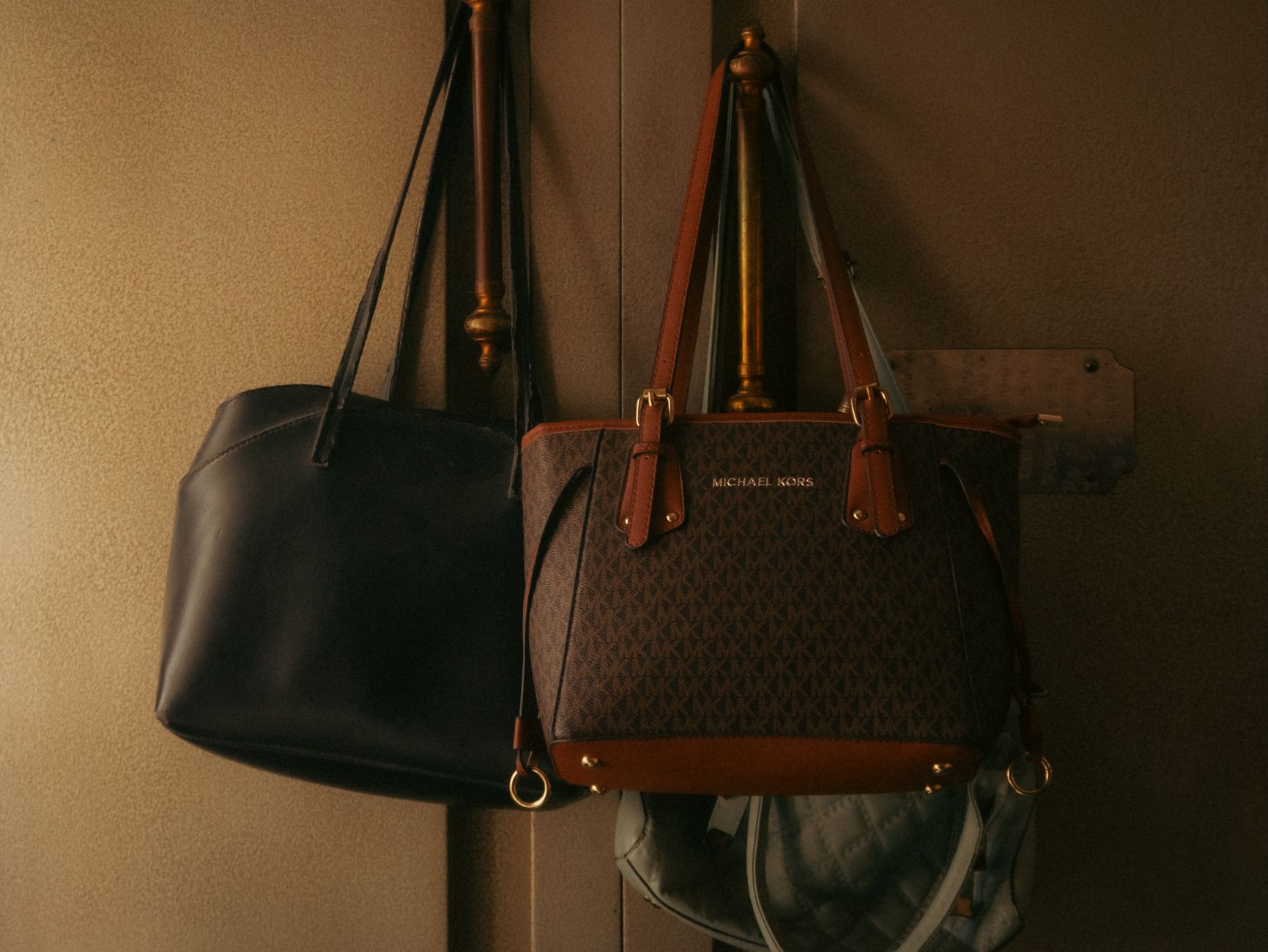
Most folks buy travel handbags much like suitcases: hurriedly, just before a trip. That’s how you end up with a bag that seems alright on the shelf but starts falling apart by layover two.
Good travel handbags hit a sweet spot. They need to be compact enough for the overhead bins and narrow train aisles. They also should be organized well enough to breeze through security. Sturdiness is key too, especially for a week of use. Style’s important, of course, but I’d prioritize functionality first.
This guide covers everything you need to know: size, brands, materials, TSA-related features, and the hot trends for 2024. Feel free to jump to the section that addresses your concerns.
Best Size for Travel
Most airlines allow a personal item under the seat in front of you, typically around 18 x 14 x 8 inches. Travel handbags right around 14 x 10 x 5 inches clear that limit easily on almost every airline, even the budget ones that check bags at the gate. Go bigger, and you’re taking a risk.
A medium structured tote or a crossbody with a spacious main compartment usually fits this size. I’d steer clear of oversized hobos for flying. They tend to collapse awkwardly in the overhead bin, and nothing inside stays organized for long.
Worthwhile Brands
From what I’ve noticed, these five brands consistently rate above 4 stars across major retailers:
- Tumi — pricier ($200–$300), but tough nylon construction stands the test of time
- Lo & Sons — loved by frequent flyers, smart layouts, around $150–$250
- Longchamp — the Le Pliage folds easily, polished look, runs $100–$180
- Dagne Dover — neoprene design, great organization, usually $75–$175
- Vera Bradley — lightweight quilted fabric, solid budget option at $50–$100
Tumi and Lo & Sons are the heavyweights here. Longchamp shines in versatility since you can fold it flat into your suitcase. They’re not without flaws though. Dagne Dover’s neoprene can feel warm in summer, while Vera Bradley’s patterns may not suit everyone’s taste.
Features to Invest In
TSA screening speeds up when your bag has a lay-flat laptop sleeve. Agents can check your laptop without making you unpack the entire bag. It’s a small feature, but it can save serious time at busy checkpoints. Consider this if you travel with a computer.
On top of that, RFID-blocking pockets are handy in crowded airports. A lockable zipper or hidden back pocket reduces the chance of theft, especially in Europe. Anti-theft features may add $20–$40 to the price, which is well worth it for a bag you’ll use for years.
Adjustable straps are more crucial than you might think. A crossbody that can also serve as a shoulder bag or clip to a suitcase handle fits most travel scenarios conveniently.
Nylon vs Leather and Others
Nylon is usually the practical pick. It’s lightweight, water-resistant, easy to clean, and won’t stiffen when it’s cold. Most Tumi and Lo & Sons bags use ballistic nylon, which is tougher than standard nylon. Weight alone makes it preferable over leather for long travel days.
Leather looks great, ages nicely if cared for, and conveys a vibe that nylon can’t match. But it’s heavier, scratches up in overhead bins, and demands more maintenance. Full-grain leather travel handbags from brands like Cuyana cost $200–$350 and are solid if you care about appearance and aren’t checking luggage. Vegan leather has come a long way but can crack at stress points after a few years, in my experience.
Canvas and recycled materials are gaining traction. Brands like Patagonia and Rains use recycled fabric that performs well and often costs similar to nylon.
Trends for 2024
Convertible designs are all the rage this year. A bag that works as a backpack, tote, and crossbody is popular because travelers want versatility. Most brands in the $100–$200 range now offer at least one convertible option.
Neutral colors like sand, slate, and olive are trending over the bright hues from a few years back. Practical exterior pockets are coming back in style too. Sustainable materials have become a must-have; shoppers care about them at checkout, and brands are responding.
Choosing the Right Bag
When it comes to travel handbags, spending $120 instead of $40 often pays off after just a couple of trips. The stitching holds up, zippers work smoothly, and you won’t feel embarrassed using it in a nice restaurant. Still, you don’t have to spend $300 unless you want leather or a specific brand.
Match the bag to your travel habits. If you’re a weekend flyer using budget airlines, a compact nylon crossbody around $80–$130 works well. For long-haul business trips, consider investing in a structured nylon or leather with TSA-friendly features and a luggage attachment strap. And double-check the dimensions before you hit order. Every time.
FAQs
What should I look for in a travel handbag?
Focus on size (to fit airline personal item limits), RFID protection, a lay-flat laptop sleeve, and water-resistant material. Additional features are nice but not essential.
Are there specific brands recommended for travel handbags?
Lo & Sons, Tumi, and Longchamp are popular choices. Budget-friendly options include Vera Bradley and Dagne Dover, both of which can be found under $175.
How do I clean my travel handbag properly?
For nylon bags, wipe with a damp cloth and mild soap. Condition leather every few months, and avoid machine washing unless the label says it’s okay.

2 Comments